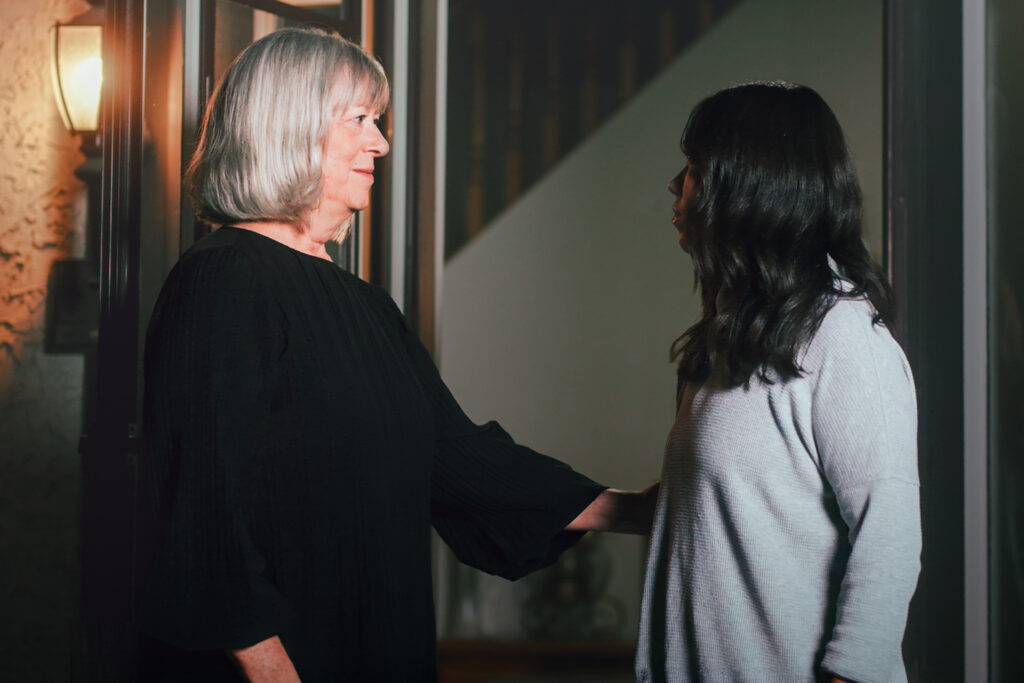
Interpersonal violence (IPV) or abuse can happen to anyone regardless of gender, background or age. Abuse is often the result of someone trying to gain power over another person. It can take the form of controlling what the other person says, how they act or feel.
Survivors are never responsible for acts of violence or abuse used against them.
Abuse may not always be visible. If someone says they are experiencing abuse, believe them.
DID YOU KNOW?
Abuse is not always physical. It may take many different forms including:
Isolation from friends, family or community, restricting a person’s freedom or independence, surveillance.
Everyone Deserves to Feel Safe
When someone is abusive it is about power and control. It is not about love.
How you Can help
There is a role for bystanders to play in stopping the cycle of interpersonal violence. A bystander can be family, friends, or people witnessing abusive behaviours in public.
It is normal to be nervous to speak up in public, but it can make a difference in someone’s life.
Speaking up when it is safe can help survivors and may prevent future abuse.
Do you suspect that someone is experiencing abuse?
If it is safe, say something.
To offer support say:
You are not alone
It is not your fault
There is help available to you
Ask gentle questions
Are you safe?
What do you need right now?
Is there anything you need from me?
Suggest ways to get help
Offer transportation, watching children or a safe place to stay
Don’t force them to talk
Just let them know you are there to support them if needed
Let them make their own choices
Help them feel in control again, don’t make choices for them
Supporting a Loved One Experiencing Intimate Partner Violence (IPV)
Free online training for supporting a loved one experiencing interpersonal violence (IPV) is available through the Provincial Association of Transition Houses and Services Saskatchewan (PATHS).
Interpersonal violence (IPV) or abuse can happen to anyone.
If you or someone you know is experiencing violence or abuse, speak up if it is safe to do so